The Silent Epidemic: Back Pain, Neck Pain & Chronic Sitting


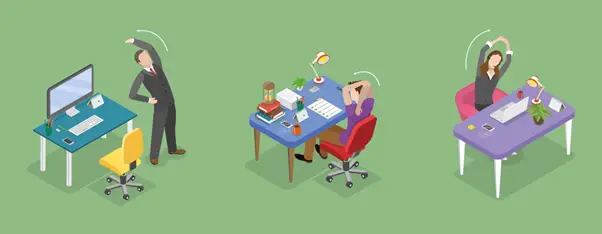
When comfort becomes the cause of discomfort
For many people, sitting is now the default working posture. Emails, meetings, reporting, and focused screen-based tasks can keep us seated for hours with very little natural movement. While sitting itself is not harmful, staying in one position for long periods, especially with poor posture or an unsuitable workstation setup, can increase strain on the neck, shoulders, back, and supporting muscles.
Unlike a sudden injury, sitting-related discomfort often builds slowly. It may begin as neck stiffness, shoulder tightness, or an ache in the lower back at the end of the day. Because these symptoms develop gradually, people do not always connect them to their daily routine until the discomfort becomes more frequent or harder to ignore. Poor posture can also contribute to neck, shoulder, and back pain, and may reduce flexibility over time.
Why sitting for too long can be a problem
The body works best when it moves regularly. Static posture means the same muscles and joints are being loaded for longer than they are designed to tolerate comfortably. Ergonomic guidance from Occupational Safety and Health Administration (OSHA ) and National Institute for Occupational Safety and Health (NIOSH) emphasizes that neutral working postures reduce stress and strain on the muscles, tendons, and skeletal system, while awkward or sustained postures can increase musculoskeletal risk.
Research in office workers also suggests that interrupting long sitting periods can help. Studies have found that standing breaks, active breaks, and postural shifts can improve fatigue and musculoskeletal discomfort and may reduce new-onset neck and low-back pain in higher-risk office workers.
Common signs your body may need more movement
Prolonged sitting and poor workstation habits may show up as:
- Neck or shoulder stiffness
- Lower back discomfort
- Muscle tension
- Fatigue or heaviness by the end of the day
- Wrist or forearm tightness during prolonged computer work
These symptoms are common, but they should not be ignored simply because they are common.
Simple ways to reduce desk-related strain
You do not need a full workout during the workday to help your body. Small, repeated adjustments are often the most realistic and sustainable approach.
Try the following:
- Switch sitting positions regularly
- Stand up briefly between tasks
- Take short walks around the office or home
- Stretch gently during the day
- Keep your feet supported on the floor or on a footrest
- Keep your shoulders relaxed rather than rounded
- Keep elbows close to the body, ideally around a 90 to 120 degree angle
- Make sure your lower back is supported by the chair or a back support
- Keep wrists as neutral and straight as possible during keyboard and mouse use
Desk-friendly stretches
Gentle stretches can help reduce tension and improve comfort during a desk-based day. The National Institutes of Health (NIH) Office of Research Services notes that slow stretching can help flexibility and support back health. Suitable examples for office workers include:
Improving air quality is not about complex interventions. Consistent, practical actions such as better ventilation, reducing pollutant sources, and staying informed can materially improve how people feel and function every day.
- Neck stretch: Gently tilt your head toward one shoulder, hold briefly, then repeat on the other side.
- Shoulder rolls: Roll the shoulders backward and forward in a slow, controlled motion.
- Seated spinal rotation: While seated upright, gently rotate your upper body to one side, hold briefly, then repeat on the other side.
- Wrist and forearm stretch: Extend one arm forward and gently pull the fingers back with the opposite hand.
When to seek medical advice
Back or neck discomfort should be medically reviewed if it follows a fall or injury, does not improve, wakes you at night, or is associated with numbness, tingling, weakness, balance problems, or loss of bowel or bladder control. Those symptoms need proper clinical assessment rather than self-management alone.
Final thought
Movement is not separate from work, it supports it. A better chair setup, a more neutral posture, and brief movement breaks throughout the day can help reduce unnecessary strain and make desk-based work more sustainable. Prevention often starts with awareness, but it becomes effective when awareness turns into routine.