The Neuroscience of Habit Formation


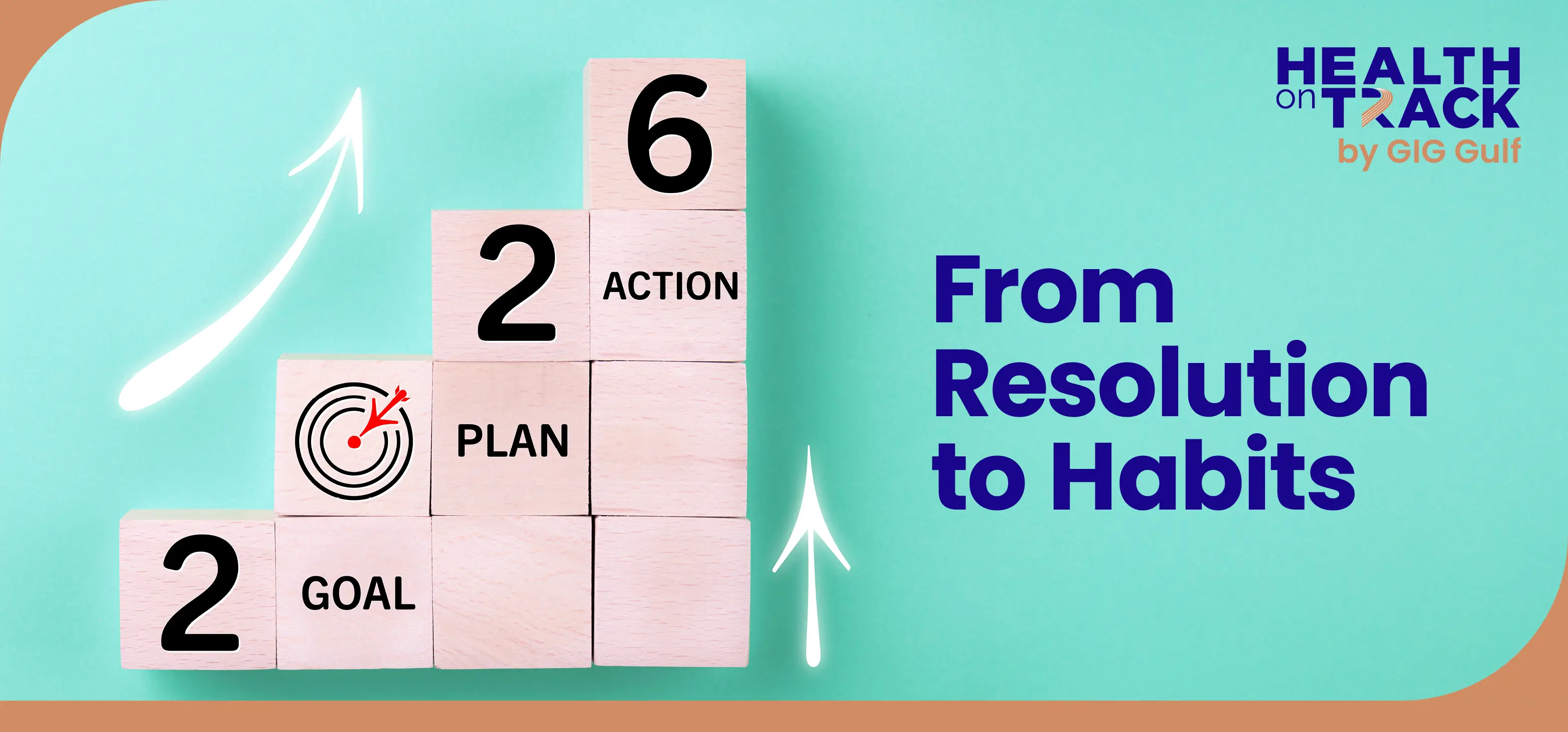
Ever wondered why some habits feel effortless, like brushing your teeth, while others, like exercising or sleeping earlier, feel so hard to maintain? The answer lies in how your brain learns and automates behaviour. Understanding this can help you build healthier habits without relying on willpower alone.
Your Brain Loves Automation
Your brain is designed to save energy. When you repeat a behaviour consistently, the brain stores it in a region called the basal ganglia, which helps automate routines. Over time, the behaviour no longer requires conscious effort, it simply happens. That’s why once a habit forms, it feels natural. It also explains why breaking old habits can take time.
The Habit Loop: Trigger, Action, Reward
Every habit follows a simple loop:
- Trigger: Something that prompts the behaviour (time of day, stress, notification, location).
- Action: The behaviour itself.
- Reward: A positive feeling or benefit that reinforces the behaviour.
Your brain releases dopamine during rewards, this teaches your brain to repeat the behaviour next time the trigger appears.
The more often this loop repeats, the stronger the habit becomes.
Repetition Physically Rewires the Brain
Your brain changes with practice, this is called neuroplasticity. Each repetition strengthens the neural connections involved in that habit, making the behaviour faster and easier over time.
Good news: this means anyone can build new habits at any age. Reality check: it also means habits take time, usually several weeks to a few months, to truly stick.
If you buy a used car, the process differs. The registration must be transferred, and insurance must be issued under your name before transfer.
Why Willpower Isn’t Enough
Willpower comes from the brain’s decision center, which gets tired easily, especially when you’re stressed, busy, or tired. When that happens, your brain defaults to existing habits.
That’s why sustainable change comes from building smart systems and routines, not just motivation.
Simple Ways to Build Better Habits
Try these brain-friendly strategies:
- Start small: Small actions are easier for the brain to repeat.
- Attach to an existing routine: For example, stretch after brushing your teeth.
- Make it rewarding: Celebrate small wins or track progress.
- Design your environment: Keep healthy choices visible and easy.
- Be consistent: Repetition matters more than intensity.
- Protect sleep and manage stress: : Your brain learns better when rested.
Small Habits, Big Impact
Healthy habits support better energy, focus, resilience, and long-term wellbeing. When you work with your brain, instead of against it, positive change becomes easier, more sustainable, and more enjoyable.
One small habit at a time can create meaningful change!