How Car Insurance Premiums Are Calculated in the UAE


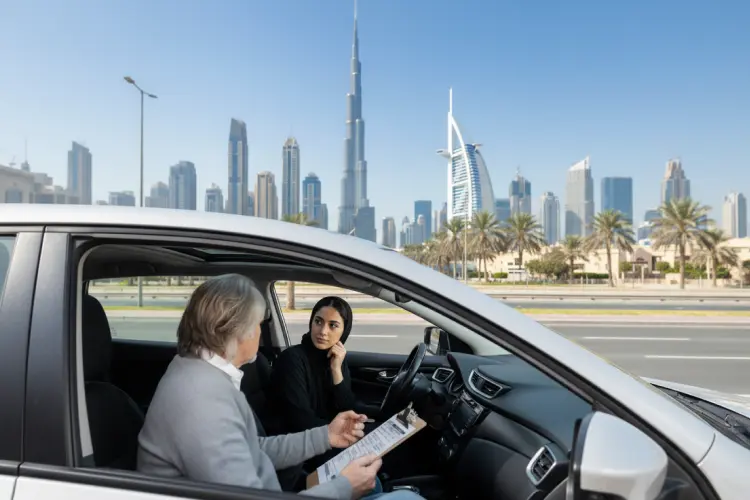
Insurance prices can feel mysterious. In reality, they are a set of clear choices and risk signals. Knowing what drives a premium helps you make smarter decisions when you buy or renew, and also save on your car insurance premiums. This guide explains the main factors insurers use in the UAE and shows practical steps to lower what you pay.
There are various factors that collectively affect car insurance premiums. We'll cover each and go over how to navigate them effectively and choose the right coverage.
The Type of cover you pick
The plan you choose sets the baseline for cost. Third-party cover only pays for damage you cause to other people or their property. Comprehensive plans also protect your own car after an accident, plus fire, theft, and sometimes natural events. Visit our car insurance page to see how different packages compare and what each includes. Typically, third-party is the cheapest and the most comprehensive option costs more because it reduces your financial exposure.
Third-party car insurance is recommended for older and lower value vehicles, although opting not to cover your own vehicle is risky as it may lead to way higher cost. Owners with newer and more expensive vehicles should opt for comprehensive car insurance. If you're not sure which insurance works best for you, read our blog on where we compare third-party vs Comprehensive car insurance in the UAE.
Vehicle value and repair cost
Insurers price cover to match the likely repair or replacement bill. A new SUV with expensive electronics and OEM parts costs more to fix than a small, older hatchback. Factors they consider include the car’s market value, availability, and cost of spare parts, and typical workshop labour rates. This is why a high-end model attracts higher premiums even if the driver is careful.
In most cases, your car insurance premium will be highest when you buy a new car and will decrease as it gets older, and its value decreases.
Make, model, and year matter
While most car spare parts are easily available, some models need parts that are scarce locally. Insurers use historical claims data to see which cars cost more to repair. They also notice when manufacturers add costly safety electronics. That can push prices up because replacing sensors and control units is expensive, even though those features often prevent bigger accidents. Additionally, with newer cars, features like ADAS, Batteries, and Radar are expensive, which drives the premium cost higher
Your driving record and claims history
This is one of the fairest signals insurers use. Drivers who have not made claims for several years typically get a no-claims discount. Multiple claims, at-fault accidents, or serious traffic violations increase premiums because they show future risk. If you want a lower price, avoid small claims when you can reasonably pay for repairs out of pocket and preserve that no-claims bonus.
Age and driving experience
Young drivers tend to pay more. Insurers see less driving experience as a higher likelihood of risky behaviour in younger cohorts. As you build years of clean driving, premiums usually fall. For older drivers, the cost also depends on recent driving records rather than age alone.
Where you live and where you park
Your emirate and neighborhood are part of the calculation. Insurers look at local accident frequency, theft rates, and parking conditions. A car parked on a secure private driveway or in a gated building is less risky to insure than one left on the street overnight. That is why the same car and driver can attract different premiums depending on the address.
How you use the car
Daily long-distance commutes, ride-hailing use, or carrying passengers for work increase exposure. Occasional leisure driving reduces it. Be honest about usage and choose a policy that matches it. Some insurers offer mileage-based options or ask for declared usage, which can lower the cost for light drivers.
Repair choice: agency versus approved garages
If you opt for agency repairs at the official dealer, the insurer will pay higher bills for genuine parts and manufacturer warranty work. That raises premiums. Choosing approved independent garages saves money because repair costs are lower. If you value dealer repair quality or want back-to-invoice features for a new car, expect to pay more for that cover.
Add-ons and extra benefits
Every add-on adds cost. Common extras are a temporary car during repairs, roadside assistance, windscreen cover, personal accident protection, GCC or Oman travel cover, and off-road extensions. Some add real value. Others you may not need. Review each add-on and pick only what matches your needs.
Location risks and weather
Flooding and heavy rains have a cost. If an area floods regularly, insurers raise premiums to reflect that increased claim frequency. Sandstorm exposure and heat-related wear matter too. Comprehensive policies usually cover weather events, while third-party policies do not. If you live in a high-risk area, it may be worth upgrading your cover.
Security measures and theft risk
Vehicles fitted with tracking devices, immobilisers, and alarm systems are cheaper to insure. Insurers reward strong security because it lowers the chance of theft and total loss. Before renewing, consider an approved tracker to get a better rate and faster recovery if the worst happens.
Your car’s condition and history
A vehicle with repeated damage or major prior accidents is more expensive to insure. Regular maintenance records and a clean service history can help. Insurers prefer cars that are well-maintained because they are less likely to suffer mechanical faults that lead to claims.
Market and industry factors
Premiums are also set against a wider backdrop. Spare part shortages, exchange rate swings, and rising labour costs push repair bills up. If industry costs rise, so do premiums across the board. This is why comparison and timing matter. Online sales and seasonal promotions sometimes bring tangible savings.
How insurers use discounts and loyalty offers
Many insurers reward loyalty with renewal discounts. Buying online can cut costs because administration is cheaper. GIG Gulf often lists digital benefits on its car insurance. Compare those offers at renewal time and consider multi-policy discounts if you have travel or home cover from the same company.
Practical tips to lower your premium
- Keep a clean claims record and avoid small claims where possible.
- Choose non-agency repair if your car is older and you want a lower price.
- Install approved security devices and register them with the insurer.
- Shop online and compare quotes just before renewal to catch digital offers.
- Only add covers you will use frequently and remove optional extras you do not need.
- Consider a higher voluntary excess to lower your premium if you can afford the out-of-pocket cost after an incident.
Where to learn more and get quotes
Compare plans and get a live quote, visit GIG Gulf car insurance. For details on third-party policies, see our third-party insurance page. If you need help with renewals or to access your policy documents online, use MyGIG.
Final thoughts
Premiums are the result of many sensible calculations. They reflect how likely an insurer thinks you are to make a claim and how costly that claim would be. Understanding the factors you can control makes a real difference. Clean driving, good security, sensible cover choices, and online comparison are the simplest ways to bring your premium down while keeping the protection you need.