Driving Without Insurance in UAE | Fines, Penalties & Legal Risks


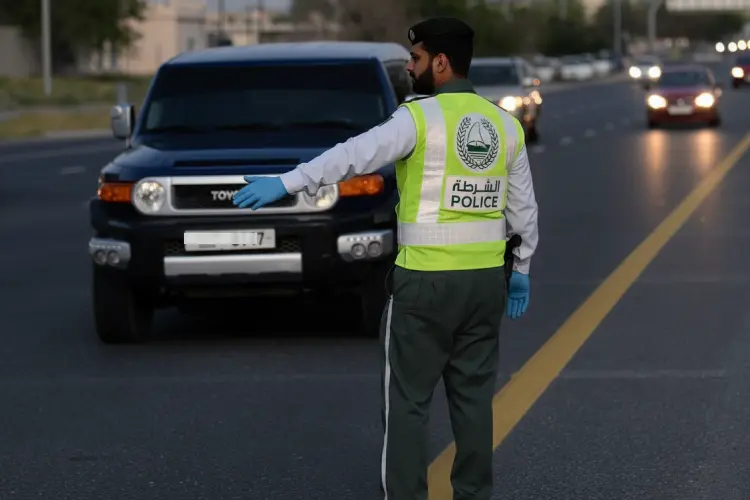
Car insurance is not optional in the UAE. Every vehicle must have an active policy to drive legally on the road, complete registration, or cross borders. Yet many drivers are unaware of how serious the penalties are when they drive without insurance, even for a short period.
This article explains the legal consequences, real examples of what happens in different situations, and how to avoid common mistakes that lead to uninsured driving.
Why is insurance mandatory in the UAE
The UAE follows a strict legal framework for road safety. Insurance protects both you and the people around you. Without it, victims in an accident have no financial protection, and the driver at fault carries the entire cost.
The law prevents this by making insurance a requirement for every vehicle, whether it is used daily or parked for most of the year.
Legal penalties for driving without insurance
Driving without a valid insurance policy is a traffic violation under UAE law. The penalties vary slightly by emirate, but the core consequences include:
- A fine of up to AED 500
- Four black points on your licence
- Vehicle impoundment, which may last up to 7 days or more, depending on the situation
These penalties apply even if the driver was unaware that the insurance had expired. The law does not excuse oversight. A lapse of a single day still counts as driving without insurance. Know more about fines, penalties, and blackpoints in the UAE.
Imagine your policy expires on March 10. You forgot to renew it until March 12. During this gap, if you are stopped at a checkpoint, are involved in an accident, or even have a minor incident, you are legally considered uninsured.
Even though the lapse was unintentional, the police report will reflect the violation. This means you will have to pay the fine, cover your personal damages, the other person’s damages, and get black points on your licence.
The best way to avoid this situation by enabling renewal reminders with your service provider, or through the MyGIG app, which provides quick access to policy status for GIG customers.
Accidents while driving without insurance
If you cause an accident while uninsured, the consequences are more severe because you must compensate all affected parties yourself. Insurers will not pay for repairs, medical bills, or third-party losses. This can result in very large expenses.
A well-known incident covered by the news a couple of years ago, where a driver without insurance collided with another vehicle on Sheikh Zayed Road, which led to a pile-up of 4-5 cars. No one was injured, but the damage to the other cars was considerable.
The uninsured driver was not able to pay the huge amount, and the case had to be escalated to legal authorities.
If the driver had a valid third-party plan, they would not be liable for any expenses for the other cars, and if they had a comprehensive plan, their own car would be covered as well.
Accidents caused by someone else
Even if your car is parked, or the accident is not your fault, being uninsured still creates problems. You may struggle to receive compensation, and the at-fault driver’s insurer may demand proof of your own insurance for certain parts of the process.
You will also be subjected to a fine and black points on your licence as per the law.
If you are hit while your vehicle is uninsured, the at-fault driver’s insurer might cover physical damage to your car, but some costs, such as towing, temporary car rental, or administrative fees, may fall back on you because you do not have your own policy.
Third-party policies don’t cover damage to your own vehicle, so it’s advised to get comprehensive car insurance.
Driving someone else’s car without insurance
In the UAE, insurance follows the vehicle, not the person. If you borrow a friend’s car and the car is insured, you are normally covered as long as you hold a valid UAE driving licence and are using the car with the permission of the owner.
However, if the car is uninsured, both you and the owner face penalties.
Always verify that the car has active insurance before driving it. You can ask the owner to show an electronic policy copy or use their insurer’s portal to confirm status.
Insurance and vehicle registration
RTA and other Emirate authorities require a valid insurance certificate to renew your registration. If your policy expires, you cannot renew your registration until you purchase a new policy.
Driving with expired registration and no insurance can lead to additional fines. To avoid this, drivers often renew their insurance first and then complete registration in the same week.
Uninsured rentals and temporary vehicles
Rental cars in the UAE always include basic insurance. However, some drivers choose optional upgrades such as full damage waiver or extended third-party cover.
If you drive a rental vehicle without these optional protections, you may be liable for the rental company’s excess fee, which can be high.
If you plan long-distance travel or cross-border trips, check with the rental company about coverage limits. For example, travel to Oman requires special insurance that is not automatically included.
More information is available in our travel guide: Driving from the UAE to Oman.
Can you legally drive after policy expiry?
If you realise your insurance has lapsed, stop driving immediately. Renew your policy before using the car again. Driving with an expired policy exposes you to penalties even if no accident occurs.
There is no grace period for driving. Some insurers allow a grace period for the renewal price, but not for driving itself. As soon as the policy expires, the car is uninsured.
If you are stopped or involved in an accident even hours after expiry, penalties still apply.
Insurance protects you from high, unexpected costs. Even a minor accident can cost several thousand dirhams. Severe accidents can lead to medical bills and property damage that exceed AED 50,000 or more.
A basic third-party plan is affordable and prevents major legal and financial stress. You can review options and pricing on the GIG Third Party Insurance page.
Frequently Asked Questions
1. Can I drive for one day without insurance if I am renewing?
No. Driving without insurance is illegal, even if you plan to renew soon. Always complete a renewal before using the car.
2. What happens if I get into an accident without insurance?
You must pay for all damages yourself. The other driver’s insurer may cover some parts if they are at fault, but any costs linked to your car or your injuries will fall on you.
3. Will police know if my insurance has expired?
Yes. Police systems in the UAE automatically detect expired registration and insurance through plate scanning.
4. Can insurance be renewed after expiry?
Yes, but you cannot drive until renewal is complete. Renew online through GIG Gulf or your insurer’s portal.
5. Can I transfer insurance from my old car to my new one?
No, car insurance is linked to a unique car and can’t be transferred. Some insurers may give discounts when multiple car insurance polices are purchased together.
Final thoughts
Driving without insurance in the UAE carries serious consequences. Fines, black points, impoundment, and heavy financial risks make it one of the most important laws to follow.
The good news is that insurance is easy to buy, easy to renew, and available in different price ranges. A simple third-party plan is enough to stay legal, while comprehensive plans offer wider protection.
To view options or renew quickly, visit GIG Gulf.