
- Blog
-

- Health and Wellbeing
-
- Post-Iftar Wellness: Managing Energy and Appetite

Post-Iftar Wellness: Managing Energy and Appetite


Iftar is a joyful moment — the body receives nourishment after hours of fasting. But eating too quickly or choosing heavy foods can lead to fatigue, bloating, and sluggishness for the rest of the evening.
Here’s how to support your body after breaking your fast:
Break Your Fast Slowly
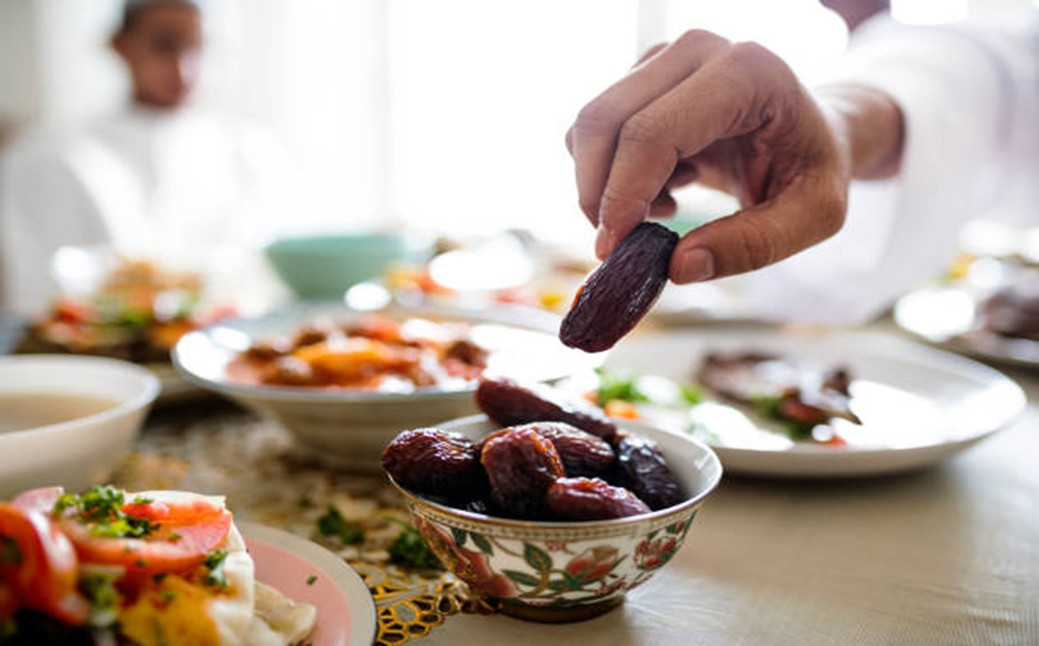
Start with dates and water, then pause for a minute before eating more. This gives your digestive system time to adjust and prevents overeating.
Choose Light, Balanced Portions First
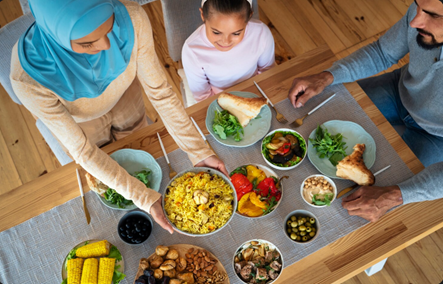
Begin with soups, salads, or vegetables before moving to proteins and slow release carbs. This keeps energy stable instead of spiking and subsequent drop.
Pace Your Meal
Eating too fast overwhelms digestion. Chew slowly, use smaller plates, and give yourself breaks between bites.
Stay Hydrated Through the Evening
Sip water gradually instead of drinking large amounts at once. Water rich foods like fruit help too, they boost hydration without heaviness.
Do Light Movement After Iftar
A short walk or gentle stretching helps digestion and reduces post meal fatigue. Even breathing exercises can ease heaviness as it activates the parasympathetic nervous system, which helps the body shift into a “rest and digest” state. This can promote better digestive function, improved blood flow to the gut, and a more relaxed digestive tract.
Be Mindful of Heavy, Fried, or Sugary Foods
They’re harder to digest and can make you sleepy or uncomfortable. Keep these for occasional enjoyment rather than daily routines.
Prioritize Quality Sleep After Iftar
Sleep plays a critical role in digestion, energy regulation, and appetite control during Ramadan. Adults generally need 7–8 hours of total sleep within a 24-hour period to support physical and mental wellbeing. During Ramadan, this may be achieved through a combination of nighttime sleep and short daytime naps, if needed.
To protect sleep quality, try to finish heavier meals 2–3 hours before bedtime and keep late-evening food light. Limit caffeine after Iftar and reduce screen exposure before sleep, as both can interfere with falling and staying asleep. A consistent, calming bedtime routine helps the body recover, improves digestion overnight, and supports better energy levels for the next fasting day.